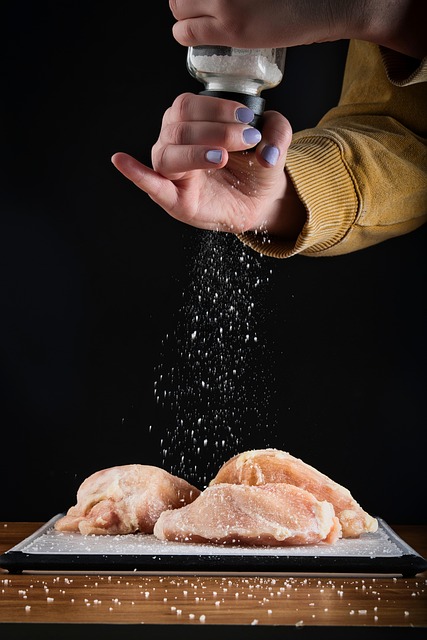
A cooking studio built around repeatable technique, not complicated recipes

Tirqelvox Kitchen Studio teaches practical home cooking and food preparation through clear modules, structured drills, and recipe development that is grounded in ratios and tasting checkpoints.

chef teaching cooking workshop

Teaching style: short demonstrations, mise en place planning, and deliberate practice with notes.

Why we started

Tirqelvox Kitchen Studio began in 2021 after noticing the same pattern in many home kitchens: people could follow recipes, yet their results were inconsistent from week to week. The missing piece was rarely “better recipes.” It was repeatable technique—how to set up a station, how to manage heat, and when to taste and adjust.

We built a learning format that separates method from menu. A lesson might use a simple stir-fry or sheet-pan dinner, but the real goal is to practice a motion (knife cuts), a workflow (mise en place), or a decision rule (seasoning checkpoints). That makes progress visible and easier to maintain without relying on guesswork.

Mission

Teach practical cooking skills through clear checkpoints so learners can self-correct mid-cook and build confidence through repetition.

What we emphasize

Mise en place planning, storage logic, safe handling habits, and recipe development using ratios and written tasting notes.

How lessons are designed

Each module pairs a technique with a controlled recipe, then a variation. Heat control, deglazing, and reduction are taught with observable cues.

What students take away

Repeatable prep lists, seasoning checkpoints, and a simple method for writing recipes with clear doneness cues and timing notes.

Teaching principle: a recipe is a practice tool. The skill is the reusable part.

Meet the team

The teaching team blends practical home-kitchen constraints with professional technique. Lessons are built around mise en place, heat management, sanitation habits, and a calm workflow that can be repeated on a Tuesday evening without drama.

LM

Lucie M., Culinary Instructor (Food Hygiene Level 2)

Lucie has taught home-focused technique workshops for 9 years, with an emphasis on safe handling, board discipline, and efficient sequencing. She is known for turning “messy prep” into a clear mise en place checklist that students can repeat without overthinking. In lessons, she focuses on sensory cues—sound, aroma, and browning—so learners can adjust before a dish goes off track. Outside class, she keeps a small notebook of weeknight pan sauces and their reduction times.

PK

Pavel K., Recipe Development Coach (Culinary Nutrition Basics)

Pavel works on recipe structure: ratios, texture targets, and the small decisions that make a dish repeatable. For 7 years he has coached learners to write recipes the way a kitchen actually runs—short prep lists, clear heat settings, and doneness cues that do not depend on perfect equipment. He is particularly methodical about emulsions and reduction, and he teaches a simple tasting rubric for salt, acid, and fat balance. His favourite part of the job is reviewing student notes and spotting where a workflow can be simplified.

AN

Anna N., Kitchen Organization Instructor (Storage & Labeling Systems)

Anna has spent 8 years translating restaurant-style prep discipline into home-friendly systems: fridge zones, container sizing, labeling, and rotation. She teaches the unglamorous routines that prevent waste—cooling, portioning, and “first-in, first-out” habits that keep ingredients visible and usable. Students often mention her pragmatic approach to batch components and how to combine them into varied meals without repeating the same plate. She also maintains the studio’s food safety checklists for handling raw proteins and ready-to-eat foods.

JR

Jakub R., Technique Lab Lead (Knife Skills & Station Setup)

Jakub leads the technique drills—knife cuts, board control, and speed that never compromises safety. He has trained learners for 10 years and insists on clean fundamentals: stable board, correct pinch grip, and consistent cut size before faster tempo. His sessions include short timed repetitions and clear checkpoints so learners can feel improvement without chasing perfection. If a knife is dull or a cutting surface slips, he will notice immediately—and show a simple fix.

Contact details

For course questions, curriculum details, or workshop scheduling, email us and include a short note about the skills you want to practice first (for example: knife cuts, sheet-pan timing, or pan sauce reduction). We reply by email, typically within 1–2 business days.

By submitting, you agree to our Privacy Policy.

What we do with your message: We use your name, email, and message to reply with relevant course information. We do not sell personal data, and you may request deletion at any time.

Want to see exactly what is covered week by week?

Review the curriculum outline, then send a short note with your preferred start timing. We will reply with the current learning format and preparation guidance.

Next step
Read the course outline
Go to Course Curriculum

Educational content only. Results vary based on practice and experience.